If you are sizing up the market as an owner, an investor, or an economic-development partner, this Hardin County commercial real estate market report is built to give you the ground-level read that the national portals cannot: what is driving demand, what is actually trading, and where the openings are heading into the second half of 2026. We work the Interstate 65 corridor every week, from the Dixie Highway retail spine in Radcliff to the Glendale megasite to the Cave City tourism corridor, and the picture right now is unusually clear. Three forces are pushing in the same direction at once, and the transaction record is starting to prove it out.
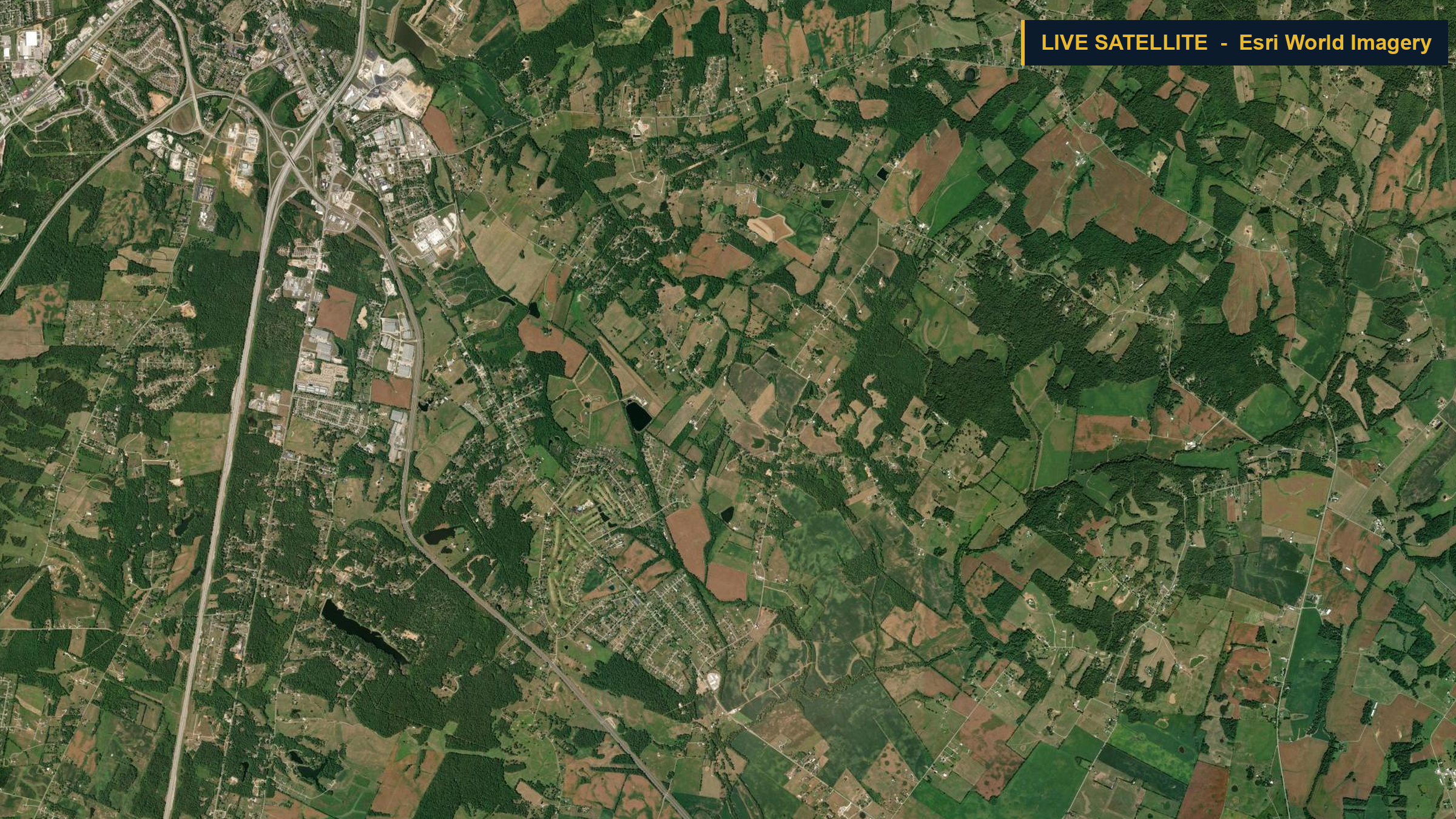
The Demand Drivers in One Frame
Central Kentucky’s commercial real estate does not move on one engine. It moves on three, and for the first time in years all three are pulling forward together.
- Fort Knox, the steady anchor. The installation generates roughly $5.6 billion in annual economic impact and supports about 22,000 workers. That is the counterweight that keeps the Elizabethtown–Fort Knox MSA (Hardin, LaRue, and Meade counties) from living or dying on any single plant announcement.
- Glendale, the megasite that pivoted. The BlueOval SK battery plant stopped EV-cell output on February 14, 2026, and the Ford–SK joint venture dissolved on May 20. But the site did not go dark: on May 21 Ford began retooling it as Ford Energy, a grid-scale battery-storage plant targeting late 2027 and roughly 2,100 jobs. The uncertainty that hung over megasite-adjacent land for a year is now a settled fact.
- The data-center wave. Kentucky has moved from zero to a statewide pipeline of data-center projects and a new tiered sales-tax incentive. The headline number for the state arrived on July 6, 2026, when TeraWulf signed a roughly $19 billion, 401-megawatt lease with Anthropic at a campus in Hancock County. That project sits in western Kentucky, not on I-65, but it put Kentucky on the national data-center map, and the power-rich central corridor is drawing its own interest.
The overlay that ties these together is infrastructure that got built ahead of demand. In the run-up to the battery plant, Hardin County added roughly 3,000 housing units, a $25 million training center, more than $30 million of I-65 Glendale-exit roadwork, and a $200 million-plus hospital expansion — against a population gain of only about 2,100 residents from 2020 to 2024. That gap is the story: the roads, sewer, power, and rooftops are already in the ground, waiting for the next tenant. For a commercial buyer, overbuilt infrastructure ahead of population is exactly the condition you want to buy into.
A Walk Through the Submarkets
Radcliff and the South Dixie Corridor
Radcliff (population roughly 22,700) is the Fort Knox gate town, and South Dixie Boulevard is its retail spine. The anchor is Ansar Plaza, the redevelopment of the former Hardin Mall site, where Ace Hardware, Dollar General, and Victory Martial Arts are open and a Dairy Queen and Dunkin’ are in the pipeline. A convenience-store pad and a dialysis-center end cap are moving as well. Retail follows rooftops and daily traffic, and this corridor has both. The demand we field here is for pad sites, drive-thru-capable end caps, and small-shop space priced for a Fort Knox-driven daytime population.
Elizabethtown
Elizabethtown (population roughly 34,500) is the county seat and the region’s retail and medical hub. It carries the deepest commercial inventory in the MSA and the widest range of buyers, from owner-operators buying their first building to investors chasing net-lease pads along Ring Road and North Dixie. Because Elizabethtown sits at the I-65 and Western Kentucky Parkway junction, it is also the natural landing spot for logistics and light-industrial users who need interstate frontage without megasite scale.
Glendale
Glendale is the swing factor. With the Ford Energy pivot settled, the conversation among landowners has shifted from “what happens to the plant” to “what gets built around it.” The nearest evidence is the sale of the Clearview Center property near Glendale, which closed in July 2026 at $2,189,000 — a real number on a real corridor transaction. Restaurant and c-store pads are being laid out at the interchange, and demand for staging, construction, and industrial land near the megasite is live. For the data-center-ready side of Glendale, see our guide to data-center land on the I-65 corridor.
Cave City and Glasgow
South down I-65, the Barren County corridor is running on tourism and public investment. Cave City, the Mammoth Cave gateway, secured roughly $20 million in federal funding on February 3, 2026 for a 3,000-seat agricultural exposition center, and it is also the flashpoint of a data-center fight: a developer filed for a roughly 381-acre project, the city answered with a 12-month moratorium, and the matter went to court in June. Glasgow, the Barren County seat, has its own momentum with a $10 million regional sports complex and active retail repositioning around the Happy Valley Road corridor, including the Marquee Cinemas property, which is currently under contract.
What Is Actually Trading
Asking ranges are useful, but closed deals are the truth, and closed deals with real numbers are the one thing an out-of-market firm or a national portal cannot show you. The Clearview close near Glendale at $2,189,000 in July is the clearest recent proof that megasite-adjacent commercial land is transacting at real value, not just being listed. On the corridor retail side, the pad pipeline at Ansar Plaza — the Dairy Queen and Dunkin’ in progress, the convenience-store and dialysis activity — shows credit tenants still committing to the Dixie corridor. Where a deal is under contract rather than closed, we hold the price until it records; the Marquee Cinemas transaction in Glasgow is a good example of active demand we will size publicly only once it closes.
Across asset classes, the pattern in the first half of 2026 is straightforward: net-lease and pad retail is the most liquid; corridor land near proven infrastructure is drawing the most new inquiry; and special-purpose assets (hospitality, entertainment, larger industrial) trade on story and financing more than on comps. You can see the current spread across our active listings.
What It Means If You Own or Invest
If you own corridor property, the timing question is real. Infrastructure is in the ground, the Glendale uncertainty has cleared, and buyer inquiry is rising — which is usually the window where sellers get paid for potential rather than just current income. That is especially true for raw and lightly improved acreage along the interstate, where a data-center or industrial thesis can be underwritten against your dirt.
If you invest, the watch-list for the back half of 2026 is short and specific: cap-rate direction on net-lease retail as rates settle; how quickly Ford Energy hiring translates into workforce-driven retail and multifamily demand; and whether the data-center pipeline converts inquiry into recorded land deals. As a local sanity check on pricing, we reference the Kentucky Department of Revenue’s annual multi-unit rental cap-rate range rather than national averages, because it reflects how income property is actually valued here. And residential growth remains the leading indicator for retail: the subdivision pipeline across the MSA is where tomorrow’s rooftops (and tenants) show up first.
For the buyers we work with directly, the fastest path into the corridor is the current commercial inventory. The Hardin County listings cover the Elizabethtown–Radcliff core, and the broader I-65 corridor search pulls the whole Louisville-to-Tennessee stretch.
Methodology: How We Build This Hardin County Commercial Real Estate Market Report
This report is assembled from our own transaction and listing activity across the Elizabethtown–Fort Knox MSA and the I-65 corridor, public economic-development and government sources, and the traffic and demographic data we pull when we underwrite a site. Population figures are the latest available for Elizabethtown, Radcliff, and Hardin County; project facts (Fort Knox impact, the Ford Energy retool, the data-center pipeline, the Cave City funding and moratorium) are drawn from public reporting current as of mid-2026. We refresh it quarterly, because a market moving this fast deserves a read that keeps up. For the market areas we cover in depth, see our markets overview.
Frequently Asked Questions
Is now a good time to sell commercial property in Hardin County?
For corridor and megasite-adjacent property, the conditions favor sellers: infrastructure is already built, the Glendale plant’s future is settled, and buyer inquiry is rising. The right answer depends on your specific parcel, its income, and your basis, which is exactly the conversation a broker’s opinion of value is for.
What is the strongest commercial submarket in the region right now?
Elizabethtown carries the deepest inventory and the widest buyer pool, while Glendale is the highest-upside play because of the Ford Energy pivot and data-center interest. The South Dixie corridor in Radcliff remains the most active retail spine.
How is the Glendale battery-plant change affecting land values?
The pivot from EV cells to Ford Energy grid storage removed a year of uncertainty. With the site’s future known, megasite-adjacent land is transacting again, and demand for staging, industrial, and pad sites near the interchange is live.
Talk Through Your Parcel or Your Buy-Box
Whether you are weighing a sale, hunting a corridor deal, or trying to size the market for a board or a lender, we can map this to your specific property and numbers. Reach out through our contact page and we will give you a straight read on where you stand.